Selling every day does not always mean making profit.
Mama Wanjiku runs a vegetable stall in Githurai — sukuma wiki, tomatoes, onions, and whatever the morning market offers. Customers trust her. Suppliers trust her for tomorrow's stock. ClariFi helps micro-retailers see where daily cash really goes.
The Woman Behind the Stall
One of thousands of Mama Mbogas powering Kenya's food system.
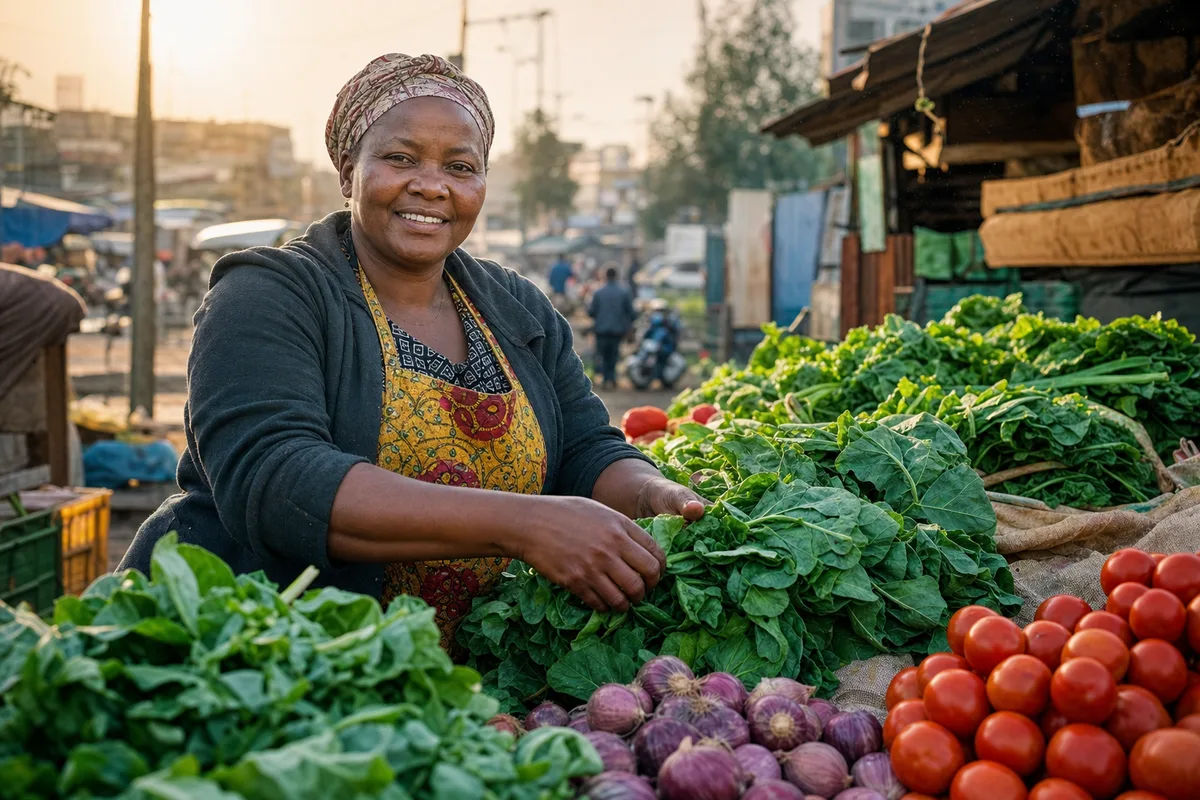
Mama Wanjiku
Githurai · Nairobi
Informal vegetable retailer · 11 years
- Age / Location
- 42 · Githurai, Nairobi
- Business
- Informal Vegetable Retailer
- Family
- Widow + 3 Children
- Daily Start
- 3:30 AM at Wakulima Market
- Technology
- Smartphone, WhatsApp, M-Pesa
The Hidden Costs She Faces Every Day
Four pressures that turn busy market days into survival math — and how ClariFi makes each one visible.

Stock Spoilage
Problem
Sukuma wilts. Tomatoes soften. Unsold stock becomes household loss.
Impact
Direct hit to daily survival money.
ClariFi fix: Daily freshness and spoilage tracking.
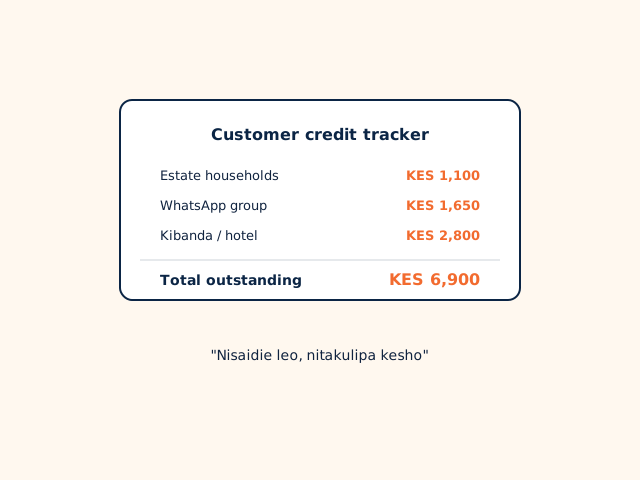
Customer Credit
Problem
“Nisaidie leo, nitakulipa kesho.”
Impact
Emotional selling hides unpaid receivables.
ClariFi fix: Customer credit visibility.
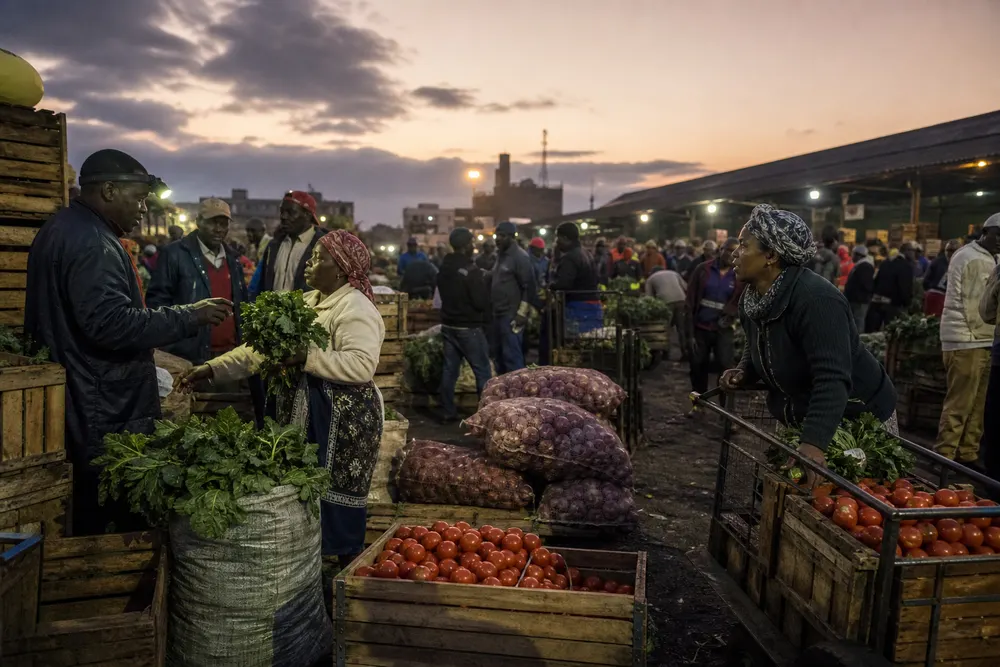
Supplier & Price Volatility
Problem
Late buying means higher prices and lower freshness.
Impact
Unstable working capital.
ClariFi fix: Real-time cash flow insights.

Household–Business Blur
Problem
School fees, rent, food, and emergencies come from the stall.
Impact
Very high household leakage risk.
ClariFi fix: Separate business profit from household survival.
MSME Intelligence Assessment
Trust is infrastructure. WhatsApp is commerce. Survival is strategy.
From WhatsApp Chats to Repeat Orders
When orders move from memory to visibility, the stall starts working smarter — not just harder.
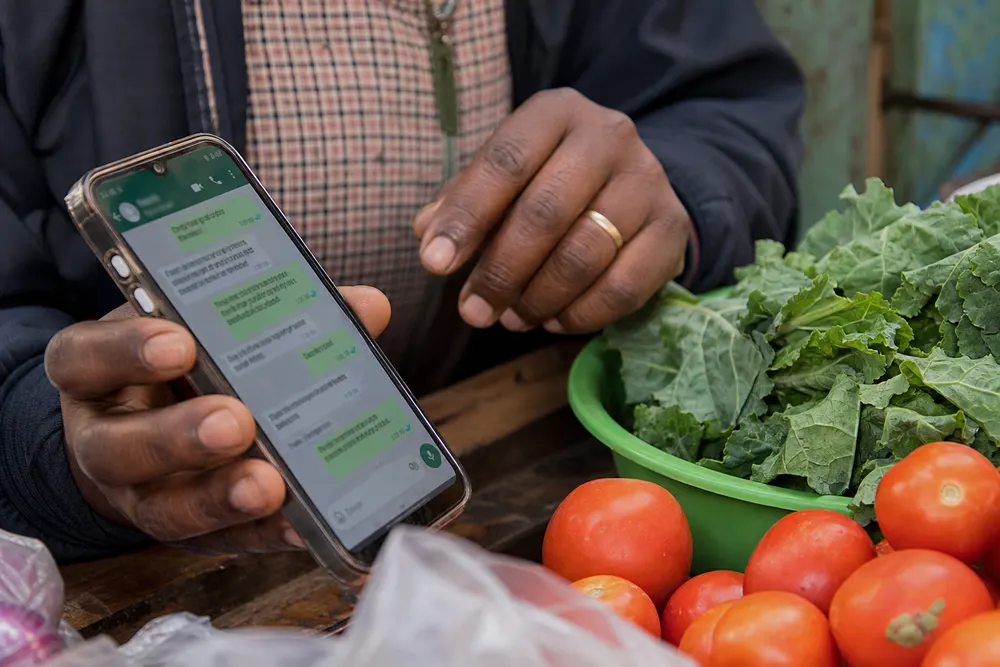
Before
- WhatsApp used mostly for family and church groups.
- Orders were informal and untracked.
- End-day spoilage was treated as normal.
After 2 Months
- More WhatsApp orders.
- Less end-day spoilage.
- More repeat buyers and referrals.
- Better visibility of who owes what.
“Mboga fresh leo kutoka soko direct. Karibuni mapema before iishe 😊”
Translation: Fresh vegetables today straight from the market. Come early before they run out.
— Mama Wanjiku · WhatsApp status to customers
Launch the live demo
Open Mama Wanjiku's seeded business on ClariFi — same story as this case study, with real dashboard metrics derived from demo data.
The Morning Run
By 3:30 AM, Mama Wanjiku is already at Wakulima Market — negotiating sukuma, tomatoes, and onions before the sun rises. Transport, market levy, and supplier tabs are decided before the first customer arrives in Githurai.
She knows yesterday’s sales by heart. What she cannot see clearly is how much of today’s cash is truly profit.
The Stall Economy
Her stall is a neighbourhood hub: salons, boda stages, small restaurants, and families who buy on trust. M-Pesa pings mix with cash in the same pocket.
Busy bags leaving the table feel like success. ClariFi asks a harder question: after stock, spoilage, credit, and household pulls — what remains?
Credit, Trust, and Community Pressure
“Nisaidie leo, nitakulipa kesho” is both kindness and risk. Emotional selling builds loyalty — and invisible receivables.
Without a credit tracker, Wanjiku restocks on faith while neighbours’ balances quietly grow.
Where the Money Leaks
Supplier debt from yesterday’s stock. Customer credit from today’s sales. Family withdrawals for rent and food. Mobile money charges on every till transaction.
Each leak is small. Together they explain why mboga inaenda haraka, lakini pesa inapotea polepole.

What ClariFi Reveals
ClariFi turns daily market activity into one view: what came in, what went out, what spoiled, who owes her, and what working capital tomorrow requires.
The live ClariFi demo for Mama Wanjiku Fresh Vegetables shows the same patterns with product metrics, supplier ledger, WhatsApp orders, and credit balances.
From Survival to Intelligence
Wanjiku does not need complicated accounting software. She needs clarity fast enough to act before the next sunrise market run.
Diagnose → Decide → Deploy → Defend → Grow: see the gap early, collect credit before new supplier debt, and qualify for stock advances with clean sales history.
Try it now
One market day in your numbers
Adjust sales, spoilage, credit, and household pulls — the same logic ClariFi uses in the Mama Wanjiku demo. See true margin risk before the next Wakulima run.
- Sales KES 10,400
- Net cash KES 3,000
One Market Day in Numbers
Illustrative KES snapshot — the same logic ClariFi tracks in the live demo.
Opening cash
KSh 3,500
Stock purchased
KSh 8,200
Transport
KSh 600
Sales collected
KSh 10,400
Customer credit given
KSh 1,700
Spoilage loss
KSh 900
Supplier balance
KSh 2,500
Family withdrawal
KSh 1,200
Total daily cost
KSh 10,900
Net cash after costs
KSh 3,000
True margin risk
MEDIUM
Working capital gap
KSh 2,300
Scroll to try Mama Wanjiku's daily cash calculator…
ClariFi Tools for Mama Mboga
From daily cash check to dashboard — one path for micro-retailers and partners.
Every Crate Has a Story. Every Sale Has a Signal.
Mama Wanjiku does not need complicated accounting software. She needs a simple way to see what came in, what went out, what spoiled, who owes her, and what profit is truly hers.
Mama Mboga is not just selling vegetables. She is feeding families and moving the local economy.